Reviews 2026

Best Trading Platforms UK 2026: Reviews & Comparison

We reviewed the best trading platforms in the United Kingdom for stocks, forex and CFDs. Compare fees, regulation, platforms and features to find the right FCA regulated platform for your trading style.

Comparison of the best trading platforms UK on multiple devices

Best Trading Platforms UK 2026

1

Plus500

Leading CFD Broker in the UK

4.8out of 5 rating

FCA regulated CFD trading

Min. Deposit
£50
Founded
2008
Platforms
Plus500 WebTrader, App
Regulation
FCA (FRN 509909)
Visit Plus500

Plus500 Authorised and Regulated by the FCA (FRN 509909) in the UK. 76% of retail CFD accounts lose money.

2

XM

Global Multi-Asset Broker

4.7out of 5 rating

Low spreads & fast execution

Min. Deposit
£5
Founded
2009
Platforms
MT4, MT5, XM App
Regulation
FCA, CySEC, ASIC
Visit XM
3

SabioTrade

Leading Prop Trading Firm

4.5out of 5 rating

Trade funded accounts up to $200K

Min. Deposit
From $89 challenge fee
Founded
2021
Platforms
SabioTrade Web & App
Regulation
Prop firm · Ireland
Visit SabioTrade

SabioTrade is a proprietary trading firm, not a CFD/forex broker. You trade the firm’s capital after passing an evaluation and share in the profits.

4

HYCM

Established Broker Since 1977

4.4out of 5 rating

Forex, shares and commodities

Min. Deposit
£20
Founded
1977
Platforms
MT4, MT5
Regulation
FCA, CySEC, DFSA
Visit HYCM
5

Exness

Trusted Low-Spread Broker

4.3out of 5 rating

Instant withdrawals & tight spreads

Min. Deposit
£50
Founded
2008
Platforms
MT4, MT5, Exness Terminal
Regulation
FCA, CySEC, FSCA
Visit Exness

Finding the best trading platform in the UK can be overwhelming because there are so many providers to choose from. Our experts have reviewed and compared the leading FCA regulated trading platforms so you can pick the one that suits your goals, whether you want to trade shares, forex or CFDs. Below you will find detailed reviews of our top-rated trading platforms for 2026, followed by advice on how to compare them.

Our Top Trading Platform Reviews

1. Plus500

4.8 / 5

Leading CFD Broker in the UK

Plus500 is fca regulated cfd trading, founded in 2008 and regulated by FCA (FRN 509909). It supports Plus500 WebTrader, App with a minimum deposit of £50, making it a strong choice for UK traders in 2026.

Visit Plus500

2. XM

4.7 / 5

Global Multi-Asset Broker

XM is low spreads & fast execution, founded in 2009 and regulated by FCA, CySEC, ASIC. It supports MT4, MT5, XM App with a minimum deposit of £5, making it a strong choice for UK traders in 2026.

Visit XM

3. SabioTrade

4.5 / 5

Leading Prop Trading Firm

SabioTrade is trade funded accounts up to $200k, founded in 2021 and regulated by Prop firm · Ireland. It supports SabioTrade Web & App with a minimum deposit of From $89 challenge fee, making it a strong choice for UK traders in 2026.

Visit SabioTrade

4. HYCM

4.4 / 5

Established Broker Since 1977

HYCM is forex, shares and commodities, founded in 1977 and regulated by FCA, CySEC, DFSA. It supports MT4, MT5 with a minimum deposit of £20, making it a strong choice for UK traders in 2026.

Visit HYCM

5. Exness

4.3 / 5

Trusted Low-Spread Broker

Exness is instant withdrawals & tight spreads, founded in 2008 and regulated by FCA, CySEC, FSCA. It supports MT4, MT5, Exness Terminal with a minimum deposit of £50, making it a strong choice for UK traders in 2026.

Visit Exness

How We Compare Trading Platforms

When reviewing trading platforms in the UK, our experts assess each provider against the same criteria so you can make a fair, like-for-like comparison.

  • FCA regulation and safety of client funds
  • Trading fees, spreads and commissions
  • Range of markets and tradable assets
  • Quality of the trading platform and mobile app
  • Deposit and withdrawal options
  • Education, research and customer support
  • Minimum deposit and account types
  • Ease of use for beginners and pros
Trading platform dashboard with charts and buy and sell orders
We test each platform's tools, fees and usability before recommending it.

Which Trading Platform Should You Choose?

There is no single best trading platform for everyone. If you want to trade CFDs, Plus500 is a strong FCA regulated option. For low-cost forex trading, XM and Exness stand out, SabioTrade is a prop firm for traders who want to trade funded capital, and HYCM offers a long track record across multiple assets. Consider your budget, preferred markets and experience level before deciding.

Prefer trading from your phone? See our roundup of the best online trading apps, or learn the fundamentals in our online trading platforms guide.

What Makes a Great Trading Platform?

Before diving into individual reviews, it is worth understanding what separates a great trading platform from an average one. The best platforms are not necessarily those with the most features, but those that combine safety, fair pricing, reliability and ease of use in a way that suits their target trader. When our experts review platforms, these are the qualities that consistently distinguish the top providers.

First and foremost is regulation. A great platform is always offered by a broker regulated by a respected authority such as the FCA, ensuring your money is protected and the provider is held to high standards. Beyond regulation, a great platform offers competitive and transparent pricing, so you always know what a trade will cost. It provides fast, reliable execution, a clean and intuitive interface, powerful analysis tools and a high-quality mobile app. Finally, the best platforms back all of this up with responsive customer support and genuinely useful educational resources.

Key Factors When Comparing Platforms

With so many trading platforms competing for your business, comparing them on the right factors is essential. Focusing on the criteria below will help you cut through the marketing and identify the platform that genuinely fits your needs as a UK trader.

Definition

Spread

The spread is the gap between the buy and sell price of an instrument and represents the main cost of trading on most platforms. Tighter spreads mean lower trading costs.

Definition

Minimum Deposit

The minimum deposit is the smallest amount you need to open a live account. Lower minimums, such as the £5 required by XM, make a platform more accessible to beginners.

Definition

Regulation

Regulation refers to the licensing and oversight of a broker by an authority such as the FCA. It is the single most important factor in keeping your money safe.

Beyond these core concepts, consider the range of markets each platform offers, the quality of its charting and mobile apps, the speed of deposits and withdrawals, and the standard of its customer support. A platform that scores well across all of these areas is far more likely to serve you well over the long term than one that simply advertises the lowest headline spread.

Types of Trading Platforms We Reviewed

The platforms in our comparison cater to different types of traders and markets. Understanding these categories will help you focus on the reviews most relevant to your goals.

CFD Trading Platforms

CFD platforms such as Plus500 let you speculate on the rising or falling prices of thousands of instruments without owning the underlying asset. They are popular for their flexibility and access to leverage, though CFDs carry a high risk of loss.

Forex-Focused Platforms

Platforms like XM and Exness specialise in currency trading, offering tight spreads, fast execution and support for MetaTrader 4 and 5. They are ideal for traders whose main focus is the foreign exchange market.

Beginner-Friendly Platforms

Platforms such as Plus500 are designed with newcomers in mind, featuring clean interfaces, free demo accounts and plenty of educational material to help you learn the ropes safely.

Multi-Asset Platforms

Established brokers like HYCM offer access to a broad range of markets including forex, shares, indices and commodities from a single account, making them a good choice for traders who want to diversify.

Understanding Trading Platform Fees

Fees can have a significant impact on your trading returns over time, so understanding how each platform charges is a crucial part of any comparison. While the exact fee structure varies from platform to platform, most costs fall into a handful of categories that you should always check before opening an account.

  • Spreads built into the buy and sell price of each trade
  • Commissions charged per trade on some account types
  • Overnight or swap fees for holding leveraged positions
  • Deposit and withdrawal charges on certain payment methods
  • Currency conversion fees when trading in non-GBP markets
  • Inactivity fees if your account sits dormant
  • Optional charges for premium data feeds or tools

The cheapest platform on paper is not always the cheapest in practice, because the total cost depends on how often you trade and which markets you use. A frequent forex trader will care most about tight spreads, while a long-term investor may be more concerned about inactivity and custody fees. Always read the full fee schedule and factor in every charge that applies to your trading style.

Warning Signs to Avoid

Just as important as knowing what to look for is knowing what to avoid. The popularity of online trading has attracted unregulated and untrustworthy operators, and being able to spot the warning signs will help you steer clear of trouble.

  • No verifiable FCA regulation or a cloned licence
  • Promises of guaranteed profits or risk-free returns
  • Pressure to deposit quickly or top up your account
  • Difficulty withdrawing your own money
  • Leverage far in excess of FCA limits for retail clients
  • Unsolicited cold calls or pushy account managers
  • Vague or hidden fee structures

Every platform we recommend has been checked against these criteria and is provided by a regulated broker. If you come across a platform elsewhere that displays any of these red flags, walk away. You can always verify a broker's regulatory status directly on the FCA register before depositing a penny.

A Closer Look at Our Top-Rated Platforms

While our review cards above give you the essentials, it is worth taking a closer look at what makes each of our top-rated platforms stand out. Every provider has its own strengths, and the right choice depends on what you value most as a trader.

Plus500: Best for CFD Trading

Plus500 is one of the most recognisable names in UK CFD trading, and for good reason. Its proprietary WebTrader platform is clean, modern and easy to navigate, making it a great choice for both newcomers and experienced traders. Regulated by the FCA, Plus500 offers a huge range of CFD instruments across shares, forex, indices, commodities and more. It is important to remember that CFDs are high-risk products and the majority of retail accounts lose money, so careful risk management is essential.

XM: Best for Low-Cost Forex

XM is a global multi-asset broker known for its low spreads, fast execution and tiny minimum deposit of just £5. Supporting both MetaTrader 4 and MetaTrader 5, XM appeals to forex traders who want professional-grade tools and competitive pricing. Its strong educational offering and range of account types make it a versatile choice for traders at all levels.

SabioTrade: Best for Funded Trading

SabioTrade is a proprietary trading firm founded in 2021 and based in Dublin, Ireland. Rather than trading your own deposit, you pay a challenge fee, pass an evaluation to prove your skills, and then trade the firm’s capital while keeping a share of the profits. It suits disciplined traders who want access to larger funded accounts without risking a large amount of their own money up front.

HYCM: Best for Experience and Range

With a track record stretching back to 1977, HYCM is one of the longest-established brokers available to UK traders. It offers access to forex, shares, indices and commodities across the popular MetaTrader platforms, combining decades of experience with a broad, multi-asset product range.

How to Open an Account With a Trading Platform

Once you have chosen a platform from our reviews, opening an account is quick and straightforward. All FCA regulated brokers follow a similar process designed to verify your identity and ensure the product is suitable for you.

1. Register Your Details

Complete the online sign-up form with your name, contact details and address. Choose a GBP account where possible to avoid unnecessary currency conversion fees on your deposits and trades.

2. Verify Your Identity

Upload proof of identity, such as a passport or driving licence, and proof of address, such as a utility bill or bank statement. These Know Your Customer checks are a legal requirement and protect against fraud.

3. Practise on a Demo

Before trading with real money, use the platform's free demo account to learn the interface and test your strategy. This risk-free practice is invaluable, especially for beginners.

4. Fund and Start Trading

When you feel ready, deposit funds using a debit card, bank transfer or e-wallet, and begin trading. Start with a small amount you can afford to lose while you build experience and confidence.

Mobile and Desktop Trading Compared

Every platform in our comparison offers both desktop and mobile access, and most traders use a combination of the two. Understanding the strengths of each will help you get the most out of whichever platform you choose.

Desktop and web platforms offer the largest screens and the most powerful tools, making them ideal for detailed chart analysis, managing multiple positions and using advanced features. Mobile apps, on the other hand, are perfect for keeping an eye on your trades, reacting to breaking news and placing quick orders when you are away from your computer. The best platforms sync seamlessly across devices, so you can start your analysis on a desktop and manage your positions from your phone without missing a beat.

When comparing platforms, pay close attention to the quality of the mobile app, as it is likely to be the tool you use most often. A good app should offer full charting, quick execution, price alerts and secure biometric login. Read our dedicated guide to the best online trading apps for more detail on mobile trading.

Common Mistakes When Choosing a Platform

Even with detailed reviews to guide you, it is easy to fall into some common traps when selecting a trading platform. Being aware of these mistakes will help you make a smarter, more informed decision.

  • Choosing a platform based on advertising rather than regulation
  • Being lured by high leverage or large deposit bonuses
  • Ignoring the total cost of trading beyond the headline spread
  • Picking an overly complex platform as a complete beginner
  • Failing to test the platform on a demo account first
  • Overlooking the quality and reliability of the mobile app
  • Not checking withdrawal times and payment options

The golden rule is to always start with regulation and safety, then match the platform to your experience level and trading goals. Taking your time now will save you money and frustration later.

Markets You Can Trade on These Platforms

A major reason to compare trading platforms carefully is the range of markets each one gives you access to. The platforms in our review collectively cover thousands of instruments across several asset classes, and the right choice depends partly on which markets you want to trade.

Shares

Trade shares in companies listed on the London Stock Exchange and major international markets, either by investing directly or through share CFDs to speculate on price movements in both directions.

Forex

The foreign exchange market is the largest and most liquid in the world. Most platforms offer a wide range of currency pairs, with tight spreads on the majors and long trading hours to suit different schedules.

Indices and Commodities

Trade major indices such as the FTSE 100 and S&P 500 for broad market exposure, or commodities like gold and oil to diversify your portfolio away from shares and currencies.

Cryptocurrencies

Several platforms now offer cryptocurrency trading via CFDs, letting you speculate on the price of Bitcoin, Ethereum and other digital assets. Crypto is highly volatile and should be approached with caution.

Support and Education Across Platforms

The quality of customer support and educational resources varies significantly between platforms, and it is an area we weigh heavily in our reviews. When you run into a problem with a trade or a withdrawal, fast and knowledgeable support can make all the difference.

The best platforms offer support through multiple channels, including live chat, email and telephone, ideally available during UK market hours. Alongside support, leading providers such as XM and HYCM offer extensive free education, including webinars, video tutorials, trading guides and daily market analysis. For beginners, these resources can dramatically accelerate the learning process and help you avoid costly early mistakes.

When comparing platforms, it is worth testing the responsiveness of the support team with a few questions and exploring the educational material on offer. A provider that invests in helping its clients learn and succeed is usually a strong sign of a trustworthy, customer-focused business that will support you throughout your trading journey.

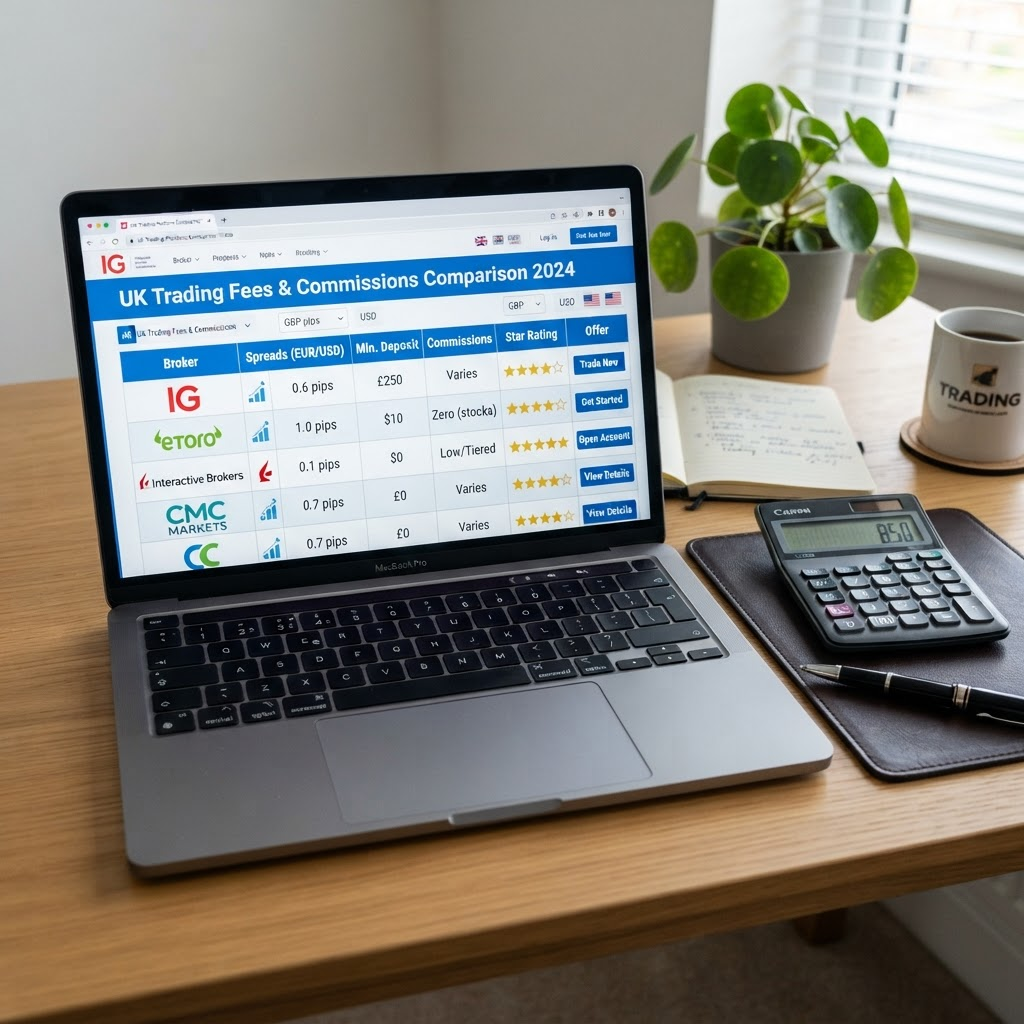
Your Trading Platform Checklist

Before you commit to a trading platform, run through this final checklist to make sure your chosen provider ticks all the important boxes. Taking a little extra time now will pay off in the long run.

  • Regulated by the FCA or another respected authority
  • Transparent, competitive fees and spreads
  • A free demo account to practise on
  • Fast, reliable order execution
  • Access to the markets you want to trade
  • Advanced charting and analysis tools
  • A high-quality, secure mobile app
  • Responsive customer support and good education
  • Convenient, low-cost deposit and withdrawal options

If your shortlisted platform meets most or all of these criteria, you can be confident you are choosing a trustworthy, capable provider. Every platform we recommend above has been selected because it meets these standards for UK traders in 2026.

Platforms for Beginners vs Advanced Traders

One of the most useful ways to narrow down your choice is to consider your own experience level, because the best platform for a complete beginner is rarely the best platform for a seasoned trader. Understanding where you sit on this spectrum will help you focus on the providers most likely to suit you.

Beginners are usually best served by platforms with clean, intuitive interfaces, strong educational resources and a generous free demo account. Providers such as XM and Plus500 fit this profile well, hiding unnecessary complexity while still offering the essential tools. A low minimum deposit is also valuable for newcomers, allowing you to start small while you learn without committing a large amount of capital.

More advanced traders, by contrast, tend to prioritise powerful charting, a wide range of order types, fast execution and support for automated trading. The MetaTrader platforms offered by brokers like XM and HYCM are popular with this group thanks to their professional-grade tools and flexibility. Some experienced traders also value raw spreads and ECN pricing, which reward high trading volumes with tighter costs. Whatever your level, be honest about your needs rather than choosing the most feature-packed platform for its own sake.

Key Trading Platform Terms

As you read through our reviews and compare platforms, you will come across a range of industry terms. This short glossary explains the most important ones so you can compare providers with confidence.

Definition

Leverage

Leverage lets you control a larger position than your deposit alone would allow. It magnifies both profits and losses, and is capped at 30:1 for UK retail clients on major forex pairs under FCA rules.

Definition

Execution Speed

Execution speed is how quickly a platform fills your orders. Faster execution reduces slippage and is particularly important for short-term and high-frequency traders.

Definition

Negative Balance Protection

A legal requirement for UK retail clients, negative balance protection ensures you can never lose more money than you have in your account, even in extreme market conditions.

Definition

Segregated Accounts

Regulated brokers must hold client money in accounts kept separate from their own operating funds, protecting your money if the broker runs into financial difficulty.

Trading Platforms FAQs

What is the best trading platform in the UK?

IG is often rated the best all-round trading platform in the UK for its ease of use and range of markets, while Plus500 leads for CFDs. The best platform for you depends on your assets, budget and experience.

What is the cheapest trading platform in the UK?

Cost depends on how you trade. Brokers such as XM and Exness are known for low spreads, while some share dealing platforms offer commission-free stock trading. Always compare spreads, commissions and account fees.

Do trading platforms charge fees?

Most trading platforms make money from the spread, and some charge commissions per trade, overnight financing on leveraged positions or inactivity fees. Read each platform's fee schedule carefully before signing up.

How do we review and rate trading platforms?

Our experts assess each platform against consistent criteria including FCA regulation, trading fees, range of markets, platform quality, mobile apps, deposit and withdrawal options, education and customer support. We test each platform hands-on and only recommend FCA regulated providers.

Are these trading platforms safe to use?

Every platform featured on this page is provided by a broker regulated by the Financial Conduct Authority (FCA) or another respected regulator. FCA regulation means client money is held in segregated accounts and retail traders benefit from negative balance protection.

Can I try a trading platform before depositing money?

Yes. Almost all of the platforms we review offer a free demo account funded with virtual money. This lets you test the platform, practise placing trades and get comfortable with the interface before risking any of your own capital.

What is the best trading platform for beginners?

Plus500 and XM are often recommended for beginners thanks to their intuitive interfaces and free demo accounts. SabioTrade is a different model — a proprietary trading firm where you pass an evaluation to trade the firm’s capital. Beginners should prioritise ease of use, good education and a low minimum deposit alongside FCA regulation.

Can I use more than one trading platform?

Yes, many traders hold accounts with more than one broker to access different markets, tools or pricing. There is no rule against it, though beginners are usually better off mastering one platform before spreading themselves too thin.

Conclusion

The best trading platform UK for you is the one that matches your goals, budget and experience. All of the platforms we reviewed above are FCA regulated and popular with UK traders in 2026. Compare their fees, markets and tools, and always start with a demo account if you are new to trading.

Ready to begin? Compare our top brokers above or read the complete online trading UK guide.